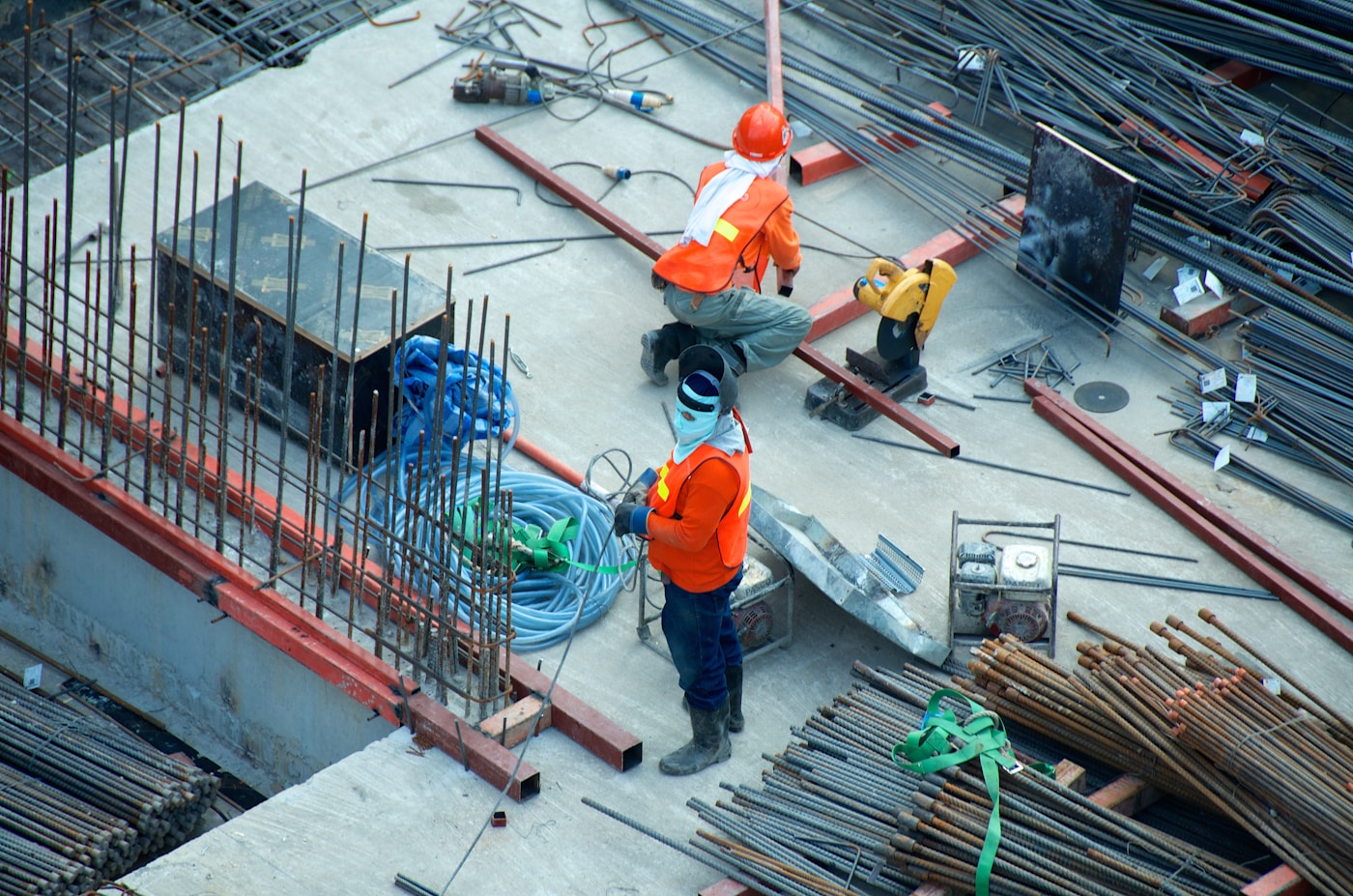
The connection between Middle East conflict and Australian property prices is not obvious — until you follow the supply chain. Fuel costs, global shipping routes, and the sourcing of construction materials are all deeply intertwined with geopolitical stability. When that stability fractures, the effects ripple through to the cost of building a home in Brisbane or Perth in ways that are both measurable and significant.
Over the past eighteen months, the combined effect of ongoing conflict in the Middle East, Red Sea shipping disruptions, and supply chain pressures have driven shipping costs from China up by approximately 60%. Given that a substantial proportion of Australia's construction materials — structural steel, electrical components, fixtures, cladding, and hardware — are sourced from Chinese manufacturers, this is not an abstract figure. It is showing up in builder quotes, project timelines, and ultimately in the price of new homes.
The Chain From Conflict to Construction Costs
Understanding why a conflict thousands of kilometres away affects the cost of building in Australia requires tracing three distinct pathways:
1. Fuel and transport costs. Heightened tensions in the Middle East — a region that supplies a significant portion of global crude oil — push energy prices upward. In Australia, where construction is heavily dependent on diesel-powered machinery, haulage, and logistics, this flows directly into site costs. Earthmoving, concrete delivery, crane operation, and materials transport all carry higher fuel surcharges than they did two years ago.
2. Red Sea shipping disruptions. Major container shipping lines have been rerouting vessels away from the Red Sea and Suez Canal — a route that carries approximately 12% of global trade — adding 10 to 14 days to journey times and significant additional fuel and insurance costs. These additional costs are passed through to importers and ultimately to builders and consumers.
3. Materials sourced from China. Australia imports a substantial volume of construction materials from China — including structural steel, PVC piping, electrical cabling, window systems, flooring, and solar components. The 60% rise in shipping rates affects every pallet of these materials that crosses the Pacific.
What This Means for Housing Supply
Australia was already facing a housing supply crisis before these cost pressures took hold. The National Housing Accord — the Federal Government's target of 1.2 million new homes over five years — is widely considered to be off-track. Industry bodies including the Housing Industry Association and Master Builders Australia have revised their completion forecasts downward as builder insolvencies have risen and feasibility on new projects has deteriorated.
"We're looking at a market where demand is structurally stronger than supply, costs are making new supply increasingly expensive to deliver, and population growth is accelerating through migration. The math on prices only points one direction."
— RentInvest Research TeamHigher construction costs reduce viability. When the cost to build exceeds the end value in a given market — a phenomenon called a "feasibility squeeze" — developers shelve projects. Fewer projects mean fewer completions. Fewer completions mean less supply coming to market against a backdrop of population growth that has accelerated sharply since international borders reopened.
Australia's net overseas migration reached approximately 500,000 people in the 2024–25 financial year. Each of those new arrivals needs somewhere to live. The vast majority enter the rental market first. Combined with the supply squeeze from rising construction costs, this is the mechanism driving vacancy rates to historic lows and rental growth to historic highs.
What It Means for Existing Property Values
The economic logic here is straightforward, if uncomfortable for anyone hoping for price relief:
- When building new homes becomes more expensive, buyers increasingly compete for existing stock
- The replacement cost of existing dwellings rises, providing a valuation floor
- Investors holding property in undersupplied markets hold an appreciating asset with strong rental demand
- Land — which carries no construction cost — becomes disproportionately valuable
For rentvestors who purchased in regional markets over the past two to three years, this is a tailwind. The properties they hold are in markets where supply constraints are most acute, rental demand is strongest, and the cost of replacement has risen materially.
Rising construction costs are one more structural factor supporting the value of existing investment-grade properties. Markets where land is affordable, population is growing, and new supply is constrained by feasibility — exactly the markets a well-researched rentvestor targets — stand to benefit most from this dynamic. The supply problem is not going away in the near term.
Is This Permanent?
Shipping costs are cyclical — they will moderate as geopolitical conditions stabilise and as shipping capacity adjusts. Fuel prices will fluctuate with oil markets. But several effects may prove more durable:
- The lag between cost increases and construction industry adjustment means supply will remain constrained for years, not months
- Builder insolvencies triggered during this period reduce industry capacity, which takes time to rebuild
- Land prices, once elevated by the replacement cost floor, tend not to retrace quickly
- Migration policy, which is a primary driver of housing demand, shows no sign of slowing
Rising construction costs are not a reason to buy any property in any market. They are a tailwind for well-selected properties in genuinely undersupplied markets. Overpaying in a market with weak fundamentals does not become acceptable because building costs are high. Do the analysis — that's what our tools are for.
Find the right market